Stop Vent Wind: Add a Car Air Vent Deflector Cover
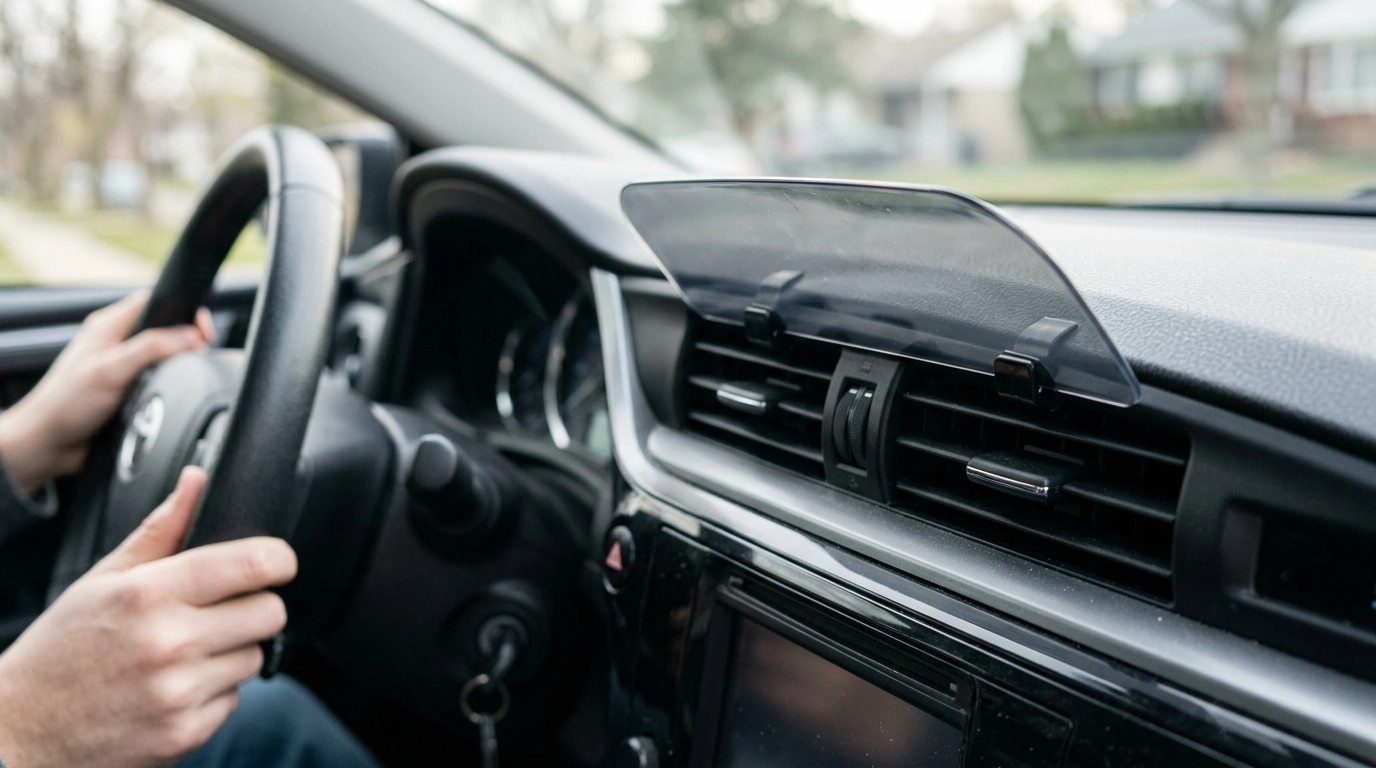
Cool Air, No Face Blast: A Simple Vent Upgrade for Everyday Driving Comfort
Cabin comfort shouldn’t mean choosing between staying cool and getting a constant stream of air in your eyes, sinuses, or on your hands. A small airflow redirect can make your AC or heat feel smoother, more even, and easier to live with on commutes, road trips, and rideshare shifts. Our vent deflector cover is built for one job: steering the airflow where it feels better—without turning your dashboard into a project.
When the Vent Is Doing Too Much
Modern vehicle HVAC systems move a lot of air fast, and that’s great—until the main stream lands right where you don’t want it. If your dash vents sit higher or point naturally toward your face, the “vent blast” can feel intense in a small cabin.
- Direct air to the face can contribute to dry eyes, an irritated throat, and that frustrating “too cold but still hot” sensation when the rest of the cabin never quite balances out.
- Aiming vents away can create new problems: air hits your hands on the wheel, passengers in one seat get the full stream, or the windshield doesn’t clear as quickly.
- Small cabin spaces make vent direction feel more extreme—compact cars, front seats close to the dash, and booster seats can all amplify direct airflow.
- If you have to turn the fan down just to avoid discomfort, cooling and heating usually take longer and feel less consistent.
What an Air Vent Deflector Cover Changes
A vent deflector doesn’t “turn off” your HVAC system—it simply guides the stream so it disperses more comfortably. That can make the same fan speed feel gentler, because the air isn’t concentrated in one spot.
- Redirects airflow upward, downward, or to the side so the cabin cools/heats without a straight shot to your face.
- Helps spread air more evenly across the cabin, improving perceived comfort without cranking extreme temperature settings.
- Useful year-round: soften cold AC in summer and prevent hot air from blowing directly on hands/face in winter.
- Practical for families (including rear-facing seats up front), rideshare drivers (passenger comfort), and anyone sensitive to direct airflow.
Comfort Scenarios and Suggested Airflow Direction
Most comfort wins come from one simple change: aim for circulation across the cabin instead of a targeted blast at a person. Start with your most annoying vent (often the driver-side dash vent) and adjust from there.
Quick Comfort Map: Problem → Adjustment
| Common issue | What it feels like | Deflector goal | Simple adjustment |
|---|---|---|---|
| Air in the eyes | Stinging, watering, dryness | Stop direct stream to face | Tilt airflow upward toward cabin space |
| Cold hands | Numb fingers, uncomfortable grip | Keep air moving but off the wheel | Angle stream toward center console area |
| Passenger complains | “It’s blowing on me” | Move air off-seat | Redirect toward windshield or cabin midpoint |
| Uneven cabin temp | Front too cold, back too warm | Encourage circulation | Aim stream across cabin, not at a person |
Fit and Placement: Getting the Benefit Without the Fuss
- These work best on vents that tend to point straight at your face—common on dashboards with higher vent placement.
- Position for the person who feels airflow most intensely; the driver-side vent is a smart starting point since you’re there every drive.
- If your dash has multiple vents, a single deflector can still make a noticeable difference by changing the main stream direction you feel most.
- Before you drive, set vent direction and fan speed while parked so you aren’t reaching and fiddling on the road. The NHTSA’s distracted driving guidance is a good reminder that even small in-car tasks can steal attention at the wrong time.
Simple Setup and Daily Use Tips
- Install while parked so you can test angles calmly and safely.
- Start with a medium fan speed and moderate temperature; fine-tune direction first, then adjust temperature if you still need to.
- For fast cooling: aim airflow to circulate across the cabin for a few minutes, then switch to “comfort mode” (less direct) once the cabin temp drops.
- For winter heat: keep warm air from blowing straight onto your hands/face while still maintaining visibility. If you’re running AC in hot weather, it can help to understand the tradeoffs; the U.S. Department of Energy’s guidance on using air conditioning explains how AC use can affect efficiency and why smart settings matter.
Care, Cleanup, and Long-Term Comfort
Product Picks: Small Add-Ons That Make Driving More Comfortable
- Car Air Vent Deflector Cover – Airflow Diverter for Comfort & Direct Blowing Prevention ($5.51): redirects harsh airflow so your AC and heat feel less “in your face” and more evenly distributed.
- Men’s Vintage British Leather Ankle Boots – Outdoor Desert Work Boots ($73.51): helpful when your day includes getting in and out of the car in colder weather, rain, or job sites—comfort shouldn’t end when you park.
FAQ
Will a vent deflector reduce the amount of cooling or heating?
It redirects the airstream rather than shutting it off, so the airflow often feels gentler instead of weaker. If it’s positioned to cover too much of the vent, you can reposition it so more air is guided rather than blocked.
Where should it be placed for the biggest comfort improvement?
Start with the vent that hits your face or eyes most often—commonly the driver-side dash vent. Aim the redirected stream across the cabin (not at a person) to improve overall comfort without chasing the temperature controls.
Is it safe to adjust vents while driving?
We recommend setting the deflector angle and fan speed while parked so you can keep your attention on the road. If you need changes mid-drive, wait until you can safely pull over.






Leave a comment