Smart RC Robot Toy: Sing, Dance & Learn Through Play
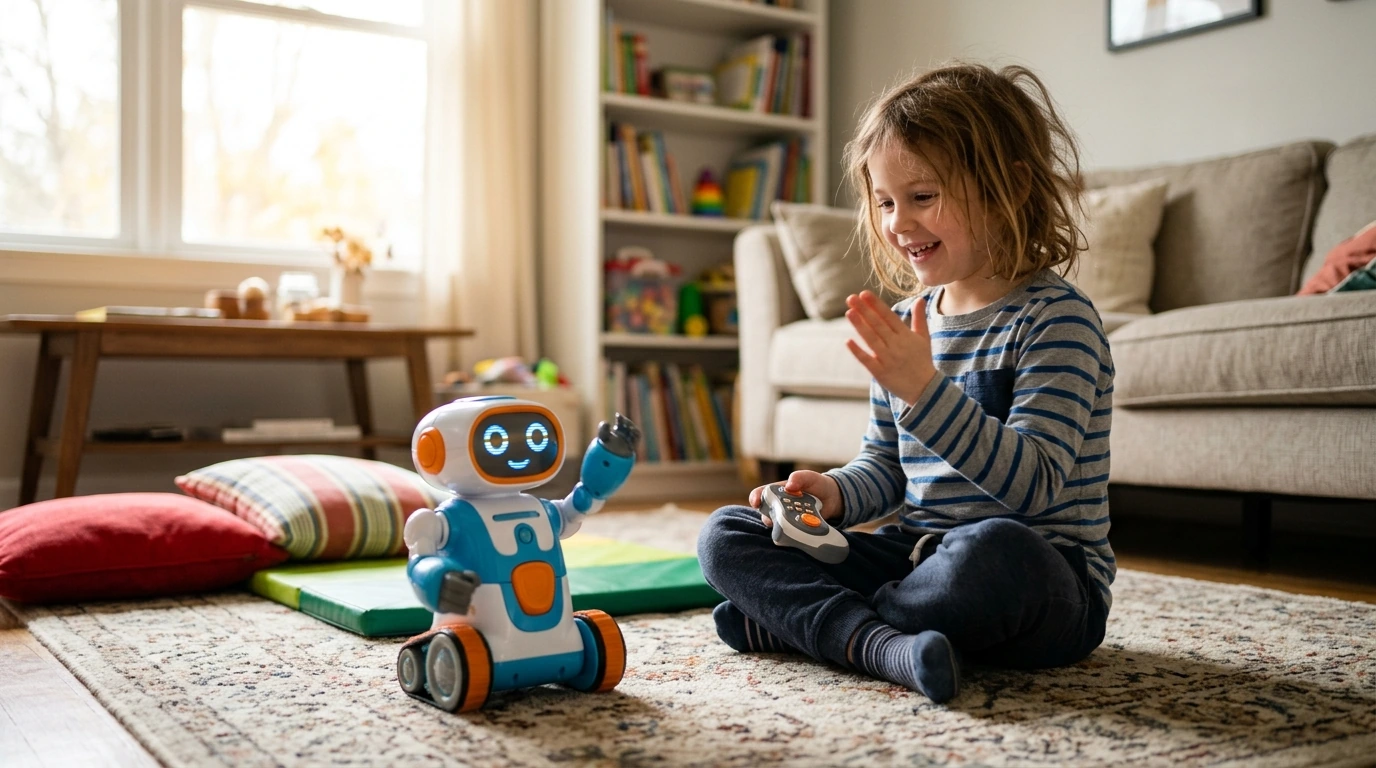
Smart RC Robot Toy: Interactive Singing, Dancing, and Learning Companion for Curious Kids
Bring playtime to life with a smart RC robot toy—an interactive singing, dancing, and learning companion designed to keep kids moving, listening, responding, and practicing new skills through hands-on fun. This is the kind of tech-toy that fits right into a modern home: part entertainment, part routine helper, and part starter STEM spark that invites kids to explore cause-and-effect, rhythm, and simple control.
If you’re looking for a gift that feels “new” after the first day, our team recommends focusing on toys that can switch modes (music, movement, RC driving) and make kids want to try again. That repeat-play loop is where the best growth happens—without turning playtime into a lesson.
Why this robot belongs in an active, curious playroom
A robot that sings, dances, and responds to controls gives you more than one way to play, which matters on real-life days when attention spans and energy levels shift. Here’s why families keep coming back to this style of toy:
- Interactive play that invites response: kids press buttons, follow prompts, and try again—great for building attention and confidence through repetition.
- Singing and dancing turns passive time into movement time: an easy win for indoor energy release on busy or rainy days.
- RC-style driving supports coordination: forward/back, turning, and “try-and-adjust” learning build spatial awareness.
- A friendly companion vibe helps transitions: short routines, quick breaks, and calming resets between activities can feel easier when a toy leads the moment.
- A strong gift pick: it feels fresh because you can rotate games instead of repeating one single “feature.”
Quick ways families use a smart RC robot companion
| Use case | What kids do | Skills it supports |
|---|---|---|
| Dance break between homework sessions | Copy dance moves, restart songs, take turns | Energy release, rhythm, taking turns |
| Simple RC challenges | Drive to targets, navigate around obstacles | Coordination, spatial planning, patience |
| Family game night “robot host” | Use music/dance moments as mini-challenges | Listening, rule-following, social play |
| Morning routine motivation | Use a short song as a timer for tasks | Time awareness, routine building |
What makes a smart RC robot toy feel truly interactive
“Interactive” shouldn’t just mean lights and sound. It should mean your child can do something, see an immediate result, and improve with practice. When you’re choosing a robot toy, look for these experience-level markers:
- Multiple play modes: switching between music, movement, and guided patterns keeps engagement high.
- Responsive controls: the best RC feel is immediate—press, watch, adjust, and learn quickly.
- Learning moments that still feel like play: listening, repeating, moving, and matching are powerful when they’re “hidden” inside games.
- Shareable fun: singing and dancing naturally pull siblings, friends, and parents into turn-based play.
- Confidence through mastery: kids love toys they can get better at, especially with driving and repeatable challenges.
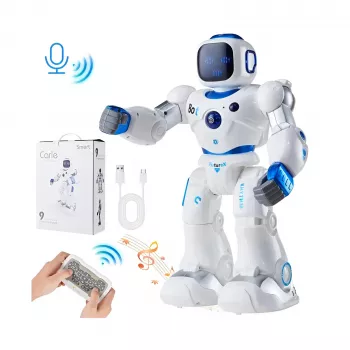
For a ready-to-gift option that blends movement and simple control, you can start with our Smart RC Robot Toy – Interactive Singing, Dancing, and Learning Companion.
Play ideas that turn features into learning (without making it feel like lessons)
You don’t need a curriculum. You just need a few playful “rules” that keep the robot in rotation and help your child feel progress.
If you like adding structure without making it “school,” our team also keeps simple prompts on hand—like the Learn Smarter with AI Simulations Checklist (Digital Download)—to inspire new challenge ideas as kids grow.
Choosing the right robot toy for your child and home setup
For broader guidance on safe play, the U.S. Consumer Product Safety Commission’s Toy Safety resources are a reliable reference for families.
A smart gift choice: when to pick a robot over another toy
If you’re also building a more comfortable “home base” for older kids’ focus time, our Electric Height Adjustable Standing Desk, 40×24 Inch Sit Stand Desk is a practical complement for a study corner.
And for balanced thinking around kids and media habits, the American Academy of Pediatrics’ guidance in Media and Young Minds is a helpful framework when you’re trying to keep screens from being the only entertainment option.
Get the most out of it: simple setup habits that prevent “toy burnout”
FAQ
What age range is a smart RC robot toy best for?
It tends to work best when your child can follow simple prompts and handle turn-taking, with supervision for younger kids who may need help with controls. Older kids often get more mileage from RC challenges and self-made games like obstacle courses.
Is a singing and dancing robot too loud for an apartment or shared spaces?
It can be a lot in tight spaces if playtime runs long, so it helps to set clear play hours and use shorter sessions. Choosing an open area away from bedrooms and putting it away between sessions also keeps it apartment-friendly.
How can this robot be used as a learning companion without turning playtime into homework?
Keep it game-based: try copy-the-beat clapping, red light/green light driving, or quick obstacle courses with simple goals. Using a short music segment as a turn-taking timer is another easy way to build listening and patience while staying playful.


Leave a comment