Car Seat Leg Support Extender: Longer Thigh Comfort
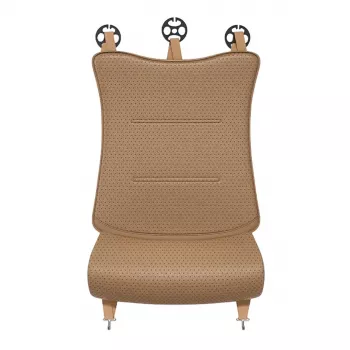
Car Seat Cushion Leg Support Extender for Drivers – Ergonomic Vehicle Seat Pads for Longer, Easier Miles
Long drives can make legs feel heavy, hips feel tight, and lower back fatigue show up sooner than expected—especially when the seat edge presses into the underside of your thighs. A car seat cushion leg support extender adds usable seat length and smoother support under your legs, helping you keep a steadier posture and more comfortable pedal control during commutes, road trips, and rideshare shifts.
What a leg support extender changes in the driver’s seat
The biggest difference you’ll notice is how the front of the seat feels under your thighs. Instead of your weight concentrating right where the seat ends, the support extends forward so the load is shared over a longer contact area. That can make a “short” seat bottom feel more accommodating without changing your car’s seat frame.
- Adds support under your thighs so body weight spreads out instead of concentrating at the seat edge.
- Helps reduce “seat lip” pressure that can contribute to tingling, numbness, or a cut-off feeling behind your knees on longer drives.
- Encourages a more neutral seated position by reducing the urge to slide forward or slouch to escape pressure points.
- Can make smaller seat bottoms feel more supportive without permanent modifications.
Who tends to benefit most
Our team sees these extenders help most when the car seat simply doesn’t match your leg length or when you spend long hours behind the wheel. They’re also a practical comfort upgrade if you switch vehicles often and want a consistent seating feel.
- Drivers who feel their seat is “too short” and doesn’t support enough of the thighs.
- Daily commuters who notice stiffness building after 30–60 minutes of driving.
- Rideshare, delivery, and field-service drivers who sit for long blocks with frequent stops.
- Taller drivers whose legs extend beyond the seat cushion, increasing pressure at the seat edge.
- Anyone looking for a comfort upgrade without permanent modifications to the vehicle.
Comfort and posture benefits to look for (and why they matter)
Not all “comfort” feels the same after hour two or hour three. The goal is support that keeps you steady—so you’re not constantly shifting, bracing, or hovering your leg to avoid pressure.
- Stable thigh support: reduces micro-adjustments and fidgeting, which can add to fatigue over time.
- Even pressure distribution: helps keep circulation feeling normal during extended sitting.
- Seat alignment support: when your legs are supported, it’s easier to keep hips and pelvis consistent, supporting better back comfort.
- Less “hovering” over the pedals: good support can help you keep a relaxed leg position while still staying responsive.
For broader ergonomics context around reducing strain from sustained positions, OSHA and NIOSH both share practical guidance you can apply to driving posture and long-duration sitting: OSHA – Ergonomics and NIOSH – Ergonomics and Musculoskeletal Disorders.
Fit and setup checklist for everyday driving
Setup is where comfort and safety meet. You want support along your thighs, while keeping a small “no-pressure” zone behind your knees and preserving confident pedal reach.
- Place the extender so it supports your thighs without pushing into the back of your knees; leave a small gap behind the knee crease.
- Confirm your hips stay level and you can fully press the brake and accelerator without reaching or shifting.
- Set seat distance first (safe pedal reach), then add the extender; re-check mirror positions afterward.
- Avoid raising the front edge so high that it tilts your pelvis backward; aim for “supported,” not “propped up.”
- Test during a short drive and adjust before committing to a long trip.
Quick setup targets (simple, practical checks)
| Setup point | Aim for | Why it helps |
|---|---|---|
| Knee area | No pressure directly behind the knee | Helps keep circulation feeling normal and reduces tingling |
| Pedal reach | Full brake press without lifting hips | Maintains control and reduces thigh/hip strain |
| Thigh support | Support along thighs, not just at the seat edge | Spreads pressure and reduces “seat lip” discomfort |
| Seat posture | Back stays against the seatback | Supports steadier driving posture over time |
Common driving discomforts this upgrade can address
When to skip an extender (or adjust the approach)
- If it interferes with safe pedal operation, remove it and reconfigure seat distance/height before trying again.
- If it pushes your knees upward too much, lower the front edge or reposition so support ends before the knee crease.
- If you already feel cramped between the steering wheel and your thighs, prioritize seat height/tilt adjustments first.
- If pain, persistent numbness, or symptoms worsen, stop using the accessory and seek individualized guidance; for red-flag symptom context, see Mayo Clinic – Sciatica.
Pairing it with better daily habits (small changes that add up)
In-stock picks from our store
- Car Seat Cushion Leg Support Extender for Drivers – Ergonomic Vehicle Seat Pads
- Electric Height Adjustable Standing Desk, 40×24 Inch Sit Stand Desk
FAQ
Will a leg support extender affect pedal control?
It shouldn’t when it’s positioned correctly, but safe pedal reach comes first. Set your seat for a confident full brake press, then add the extender and confirm you can press both pedals without lifting your hips or stretching.
How should it sit behind the knees?
Leave a small gap at the knee crease so the support ends under your thighs rather than pressing into the back of your knee. That no-pressure zone helps comfort and can help your legs feel more normal on longer drives.
Is this helpful for long commutes and rideshare driving?
Yes—extended sitting is where thigh support and pressure distribution matter most. For best results, pair it with a quick setup check (especially pedal reach) and short movement breaks when your schedule allows.





Leave a comment