Foldable Shoe & Boot Dryer: Timer + UV, Dries 2 Pairs
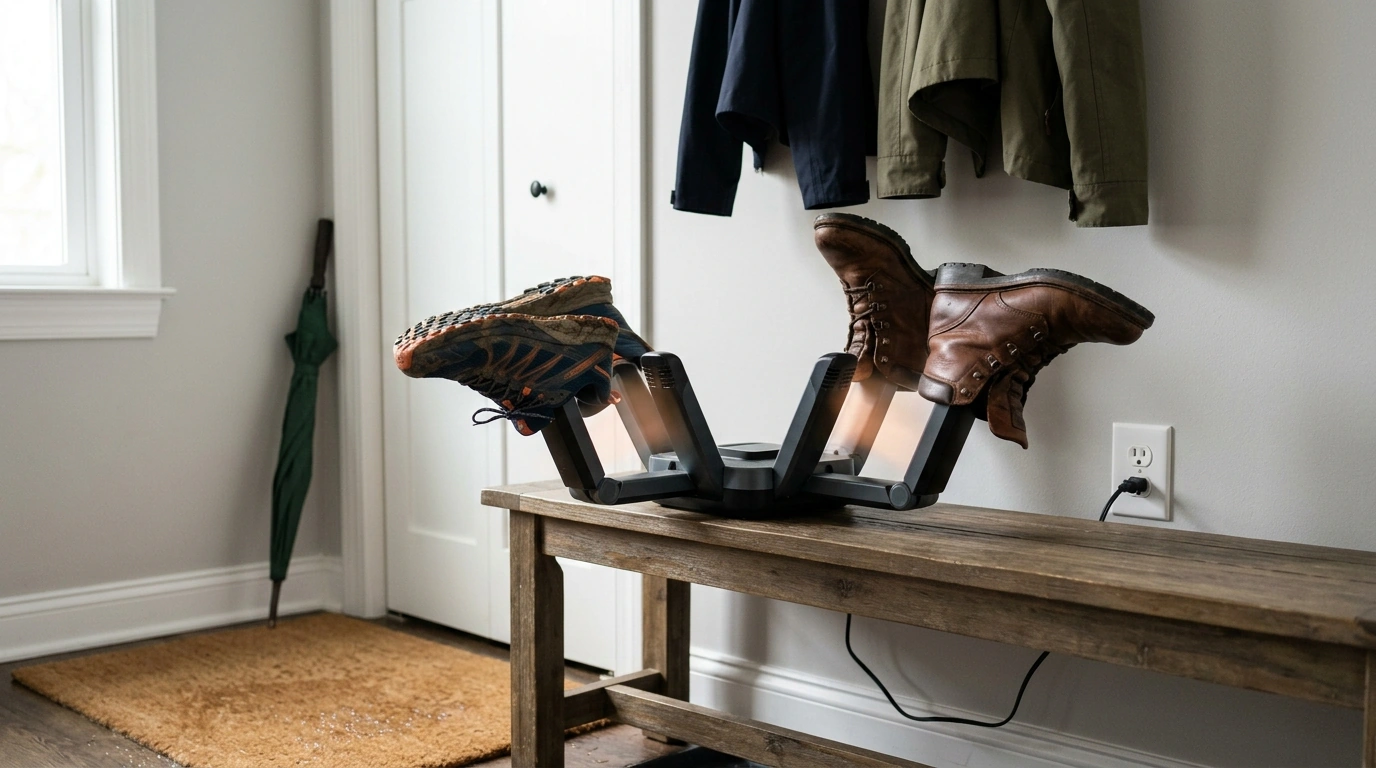
Foldable Shoe and Boot Dryer with Timer & UV – Dries 2 Pairs, Portable Design
Wet shoes and boots can stay damp for hours, inviting odors and discomfort the next day. A foldable dryer with a timer and UV support helps dry two pairs at once while keeping the setup compact for closets, entryways, lockers, or travel. Instead of stuffing footwear with paper or waiting overnight, a dedicated dryer moves warm air where moisture hides most—around toe boxes, insoles, and padded linings—so you can start the day with footwear that feels dry and more comfortable.
What This Dryer Solves (and When It Helps Most)
- Speeds up drying after rain, snow, washing, or sweaty workouts—especially when air-drying would take all night.
- Helps reduce the “stale” smell that lingers when moisture stays trapped in insoles and toe boxes.
- Useful for families or athletes because it can dry two pairs at the same time.
- Convenient for small spaces: a foldable design stores away between uses.
- Timer-based shutoff supports set-and-forget routines without running all day.
Regularly drying footwear can also support better foot hygiene by limiting the damp environments that can contribute to issues like athlete’s foot. For background on how moisture affects feet, see the CDC’s overview of athlete’s foot (CDC – Fungal Diseases (Athlete’s Foot)) or MedlinePlus (NIH MedlinePlus – Athlete’s foot).
Key Features to Look For in a Foldable Shoe & Boot Dryer
- Foldable frame: easier storage in closets, mudrooms, dorms, and travel bags.
- Two-pair capacity: dries shoes for two people or rotates footwear faster.
- Timer settings: choose drying duration based on how wet the footwear is (light damp vs. soaked).
- UV support: designed to assist freshness by targeting odor-causing buildup on surfaces (use as directed).
- Portable layout: works well in apartments and can be moved near a power outlet without a permanent setup.
- Stable placement: ensure the base stays steady so shoes don’t tip and airflow stays consistent.
If the goal is a compact, shared household solution, a foldable, two-pair unit is often the sweet spot—large enough to make a difference on busy weeks, small enough to tuck away when the floor space needs to stay clear.
How to Use It for Shoes, Sneakers, and Boots
- Prep: remove excessive water or mud; take out insoles if they’re soaked for faster drying.
- Placement: position footwear so air can circulate into the toe area; avoid blocking vents with tightly packed fabric.
- Timer choice: start with a shorter cycle for lightly damp shoes; extend for thicker boots or waterlogged pairs.
- For boots: open shafts and loosen laces to improve airflow through the length of the boot.
- After drying: let footwear cool briefly before wearing; store in a dry, ventilated place.
- Routine: rotate pairs—dry one set while the other is worn to keep materials in better shape.
A practical workflow is “dry, rest, wear.” Dry the pair you used today, let it cool down, and wear the already-dry pair tomorrow. This rotation can help reduce stress on glues and cushioning that can break down faster when footwear stays wet.
Drying Times and Material Notes
- Light dampness (gym shoes, mild sweat): typically faster than rain-soaked footwear.
- Rain and snow: expect longer cycles, especially if water reached the insole and padding.
- Leather and suede: follow care guidance; avoid over-drying and consider shorter cycles with checks between.
- Insulated winter boots: thick liners hold moisture—remove liners if possible for better results.
- Kids’ shoes: smaller volume can dry faster; confirm fit/placement so airflow reaches toes.
- Odor control: consistent drying helps; pair with basic hygiene steps like clean socks and occasional insole washing.
Quick Setup Guide by Footwear Type
| Footwear type | Best setup | Timer approach |
|---|---|---|
| Sneakers | Loosen laces; open tongue; remove insoles if soaked | Short cycle first, add time if still damp |
| Running shoes | Remove insoles; keep uppers open for airflow | Moderate cycle; check mid-cycle after heavy sweat |
| Work boots | Open shafts; remove liners/insoles when possible | Longer cycle; check thickness near toe box |
| Winter boots | Open wide; separate liners if removable | Long cycle; repeat if liners remain damp |
For UV-enabled models, follow the manufacturer’s directions carefully. For general context on UV technology, the EPA provides a helpful overview of ultraviolet disinfection (EPA – UV Disinfection).
Safety, Care, and Storage Tips
Who It’s Best For
Recommended In-Stock Picks
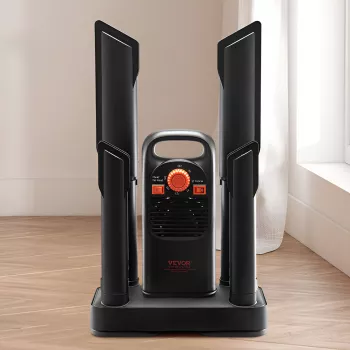
- Foldable Shoe and Boot Dryer with Timer & UV – Dries 2 Pairs, Portable Design — a compact, two-pair dryer built for quick setup and easy storage between uses.
- Portable Charger 20W PD Fast Charging Power Bank 4800mAh with LED Display — a handy add-on for travel days when you’re managing multiple devices alongside your gear.
FAQ
Can a shoe and boot dryer be used on leather or suede?
Yes, but use shorter timed cycles and check dryness periodically to avoid over-drying. Always follow the footwear maker’s care instructions for leather and suede.
How long does it take to dry a pair of boots?
Drying time depends on how wet the boots are and how thick the lining is. Insulated or waterlogged boots usually need longer timed cycles, and removing insoles or liners can speed things up.
Does UV help with shoe odor?
UV features are intended to support freshness by reducing surface buildup that can contribute to odor. Best results typically come from regular drying plus basic habits like clean socks and occasional insole cleaning.



Leave a comment