Multi-Level Cat Tree: Extra Condos, Hammocks & Perch
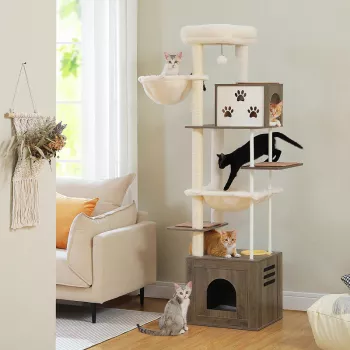
A multi-level cat tree can turn unused vertical space into a daily routine of climbing, scratching, lounging, and watching the room. With roomy condos for privacy, hammocks for deep naps, and a perch for surveying the home, this style of tower suits active cats and dedicated nappers alike—while helping keep claws off furniture.
What Cats Get From a Multi-Level Cat Tree
Cats experience a home in three dimensions. When they can move upward—rather than only across floors—they often look more relaxed, engaged, and confident. Environmental enrichment experts also emphasize that cats benefit from opportunities to climb, perch, and scratch in safe, predictable locations (see the American Association of Feline Practitioners (AAFP) Feline Environmental Needs Guidelines and International Cat Care’s enrichment guidance).
- Climbing routes that support natural exercise and coordination
- Rest zones at different heights to match mood: hidden, semi-hidden, and open
- A lookout perch that gives cats a sense of control and reduces boredom
- Dedicated scratching surfaces that can redirect scratching away from sofas and rugs
For indoor cats especially, a tall, multi-level structure can become a daily “circuit”: hop up, scratch, patrol the room, nap, repeat. That predictable rhythm is one reason cat trees often become the most used piece of cat furniture in the house.
Comfort Features: Extra Large Condos, Hammocks, and Perch
The best towers don’t force one type of rest. They offer choices—covered hideouts for deep rest, plush hammocks for cradled naps, and open perches for alert lounging. That variety matters even more in multi-cat homes, where one favorite spot can turn into a bottleneck.
- Extra large condos offer a darker, den-like retreat for cats that prefer quiet naps
- Hammocks provide a cradled sleeping position that many cats choose for longer rests
- A top perch supports room viewing and can become a favorite daytime spot near windows
- Multiple resting options help multi-cat homes reduce competition for a single “best” spot
Which spot tends to suit which cat behavior
| Feature | Best for | Typical use |
|---|---|---|
| Extra large condo | Shy cats, seniors, cats that like privacy | Undisturbed naps and hiding |
| Hammock | Cats that like soft support and curling | Long naps, kneading, lounging |
| Perch | Curious, watchful cats | Bird-watching, supervising the room |
| Mid platforms | Active climbers, kittens | Play breaks, jumping routes |
Sizing and Placement: Making It Work in Real Homes
A cat tree can look perfect online and still feel “off” in a specific room. Placement is what turns a tower into a daily hangout instead of a dust collector.
- Measure the intended corner or wall area, leaving clearance for cats to jump on and off without bumping furniture
- Place near a window if possible; a perch becomes more valuable with an outdoor view
- Avoid tight hallways where traffic may startle a resting cat and discourage use
- If you have large or long-bodied cats, prioritize wider platforms and bigger condo openings
Practical tip: if a cat already has a “favorite chair” or windowsill, placing the tree within a short hop of that location can speed adoption. Cats often treat the new structure as an extension of an existing routine.
Stability and Materials: What to Look For
Comfort doesn’t matter if the tower feels shaky. Many cats—especially larger adults—will avoid a wobbly tree after a single unpleasant slip.
- A wide, heavy base reduces wobble when cats leap between levels
- Multiple support posts and well-anchored platforms improve confidence for bigger cats
- Sisal or similar rough wrap on scratching posts provides better claw engagement than smooth coverings
- Soft plush on lounges and condos encourages use, but look for seams that can handle kneading
For scratching, texture matters. Sisal tends to “catch” claws in a satisfying way, encouraging repeat use. When the scratch areas feel right, many cats naturally shift scratching away from rugs and upholstered corners.
Daily Use Ideas: Helping Cats Adopt It Quickly
Some cats claim a new cat tree in minutes; others need a gentle introduction. The goal is to make the structure smell safe, feel rewarding, and fit into the household’s normal flow.
Cleaning and Maintenance
Product Spotlight: Large Cat Tree with Extra Large Condos, Hammocks, and Perch
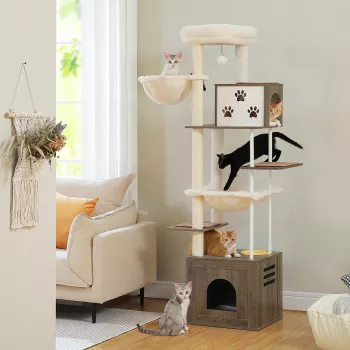
If the goal is a single vertical “home base” that covers play, scratching, and multiple sleep preferences, the Large Cat Tree with Extra Large Condos, Hammocks, and Perch is built around the features cats tend to use most: enclosed privacy, cradled lounging, and a higher vantage point.
Quick facts
| Item | Details |
|---|---|
| Product | Large Cat Tree with Extra Large Condos, Hammocks, and Perch |
| Price | 203.01 USD |
| Availability | In stock |
Optional add-on for busy households
For pet parents who like keeping a phone charged during play sessions, grooming, or pet-cam checks around the house, the Portable Charger 20W PD Fast Charging Power Bank 4800mAh with LED Display is a convenient everyday accessory to keep nearby.
FAQ
Are hammocks safe for bigger cats?
They can be, as long as the hammock has strong attachment points, durable stitching, and the overall tower is stable. Check any posted weight guidance, keep bolts tightened, and place the cat tree on a flat surface to reduce sway.
How many cats can use a cat tree with multiple condos and hammocks?
Multiple condos and hammocks reduce conflict by giving cats more than one desirable resting zone. As a practical baseline, aim for at least one primary resting spot per cat when possible, and consider your cats’ size, temperament, and how easily they can pass each other on the climbing routes.
Where should a cat tree be placed for the most use?
A stable corner near a window or in a family living area tends to get the most attention, especially if the perch has a view. Avoid narrow walkways and loud appliance zones, and make sure cats have clear jump-on access without bumping nearby furniture.


Leave a comment