BPA-Free Silicone Sippy Cup with Handles & Cat Lid
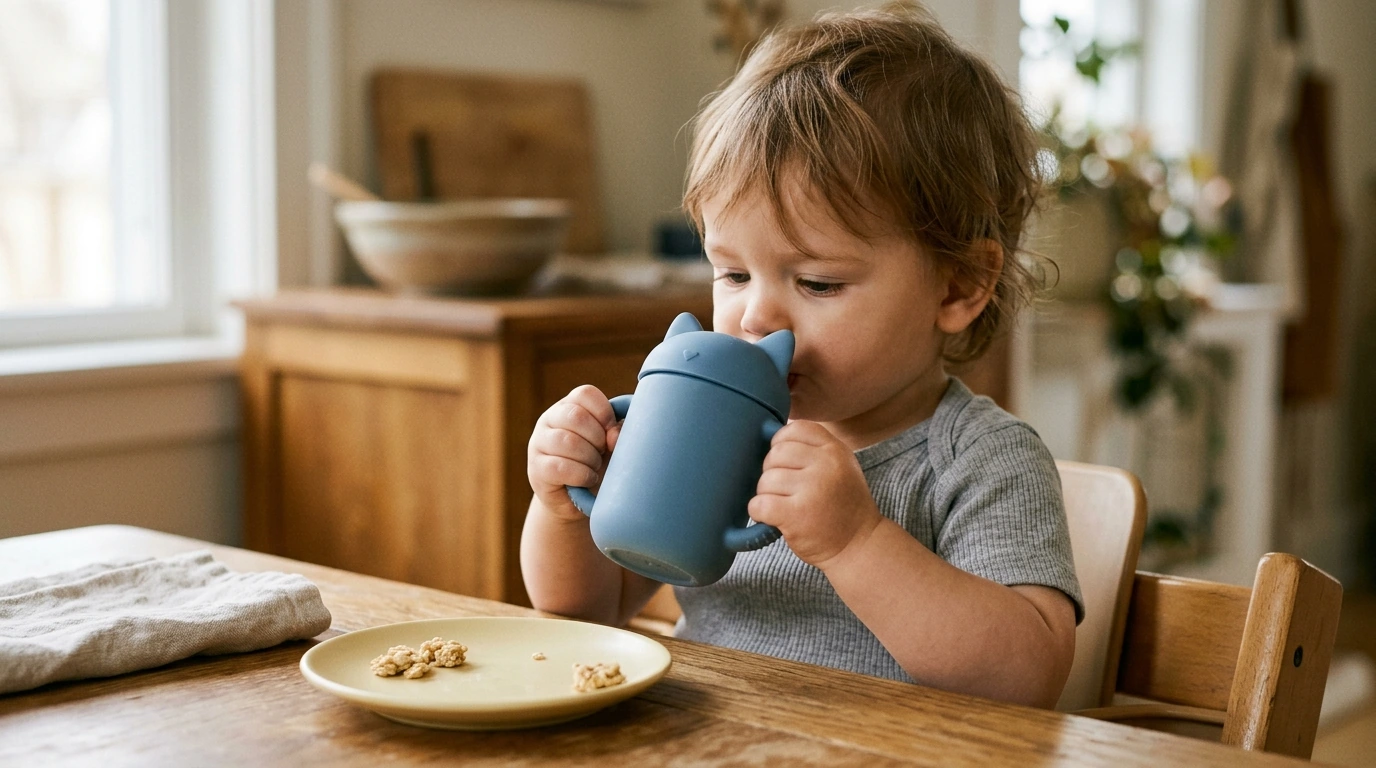
Baby Silicone Cat Lid Sippy Cup with Handles: A Calm, Easy Step Toward Independent Drinking
Toddlers want to do everything “by myself”—especially at the table. Our baby silicone sippy cup is designed to make that stage simpler: soft silicone, easy-grip handles, and a playful cat lid that helps keep daily water and milk routines feeling light. It’s a BPA-free toddler drinking cup built for small hands, quick rinses, and repeat use at home or on the go.
What this cup is made for (and why it matters)
Early independence goes smoother when your toddler has tools that match their coordination level. This cup is built to support everyday practice without turning each sip into a cleanup project.
- Supports the transition from bottle to cup with a toddler-friendly shape and handles that encourage a steadier grip.
- Silicone construction adds a softer feel than hard plastic—helpful for little mouths and busy mealtimes.
- Cat lid “favorite cup” factor can reduce resistance when you’re introducing a new drinking routine.
- BPA-free materials are a practical baseline for daily drinkware choices. (If you’d like more background on BPA, the U.S. FDA has an overview: https://www.fda.gov/food/food-additives-petitions/bisphenol-bpa-use-food-contact-application.)
- Fits real life: works well for common toddler beverages like water and milk, and it’s easy to keep as the consistent “go-to” cup in your diaper bag.
Quick-fit guide: where this cup shines
| Situation | What parents usually want | How this cup helps |
|---|---|---|
| At the high chair | Fewer spills and less fuss | Easy-to-hold handles and a secure lid design for everyday use |
| On-the-go errands | A familiar cup that fits small hands | Lightweight silicone cup that’s simple to pack and grab |
| Daycare or grandparents’ house | A consistent routine cup | Distinctive cat lid makes it easy to identify and keep in rotation |
| Learning independence | Confidence building without constant assistance | Handle grip supports self-directed drinking practice |
Designed for small hands: the role of handles
Handles seem like a small feature—until you watch how often toddlers fumble smooth-sided cups. A predictable grip spot helps your child focus on sipping instead of wrestling the cup.
- More stable grip: handles give your toddler a clear “where to hold” option, which can improve control compared to smooth-sided cups.
- Better balance: a two-handle setup can help keep the cup level while your child learns to lift and tilt.
- Independence rhythm: handles support the “pick up, sip, set down” routine that builds confidence at meals and snack time.
- Support during skill-building: helpful for kids still developing hand strength and coordination, especially while moving away from bottles.
Silicone benefits for everyday toddler life
Busy days call for simple, resilient materials. Silicone’s soft feel and flexibility can make the learning curve less stressful—for both you and your toddler.
- Gentler learning moments: soft-touch material can be kinder than rigid plastic when cups bump teeth or gums.
- Quick cleanups: silicone is typically easy to rinse and wipe clean, making it easier to keep cup routines manageable between snacks.
- Everyday durability: the flexible material is less likely to feel “fragile” during normal toddler use.
- Reliable rotation: a reusable cup you can count on helps keep routines consistent, which often reduces mealtime negotiation.
How to use it well: simple routines that reduce mess
A cup can be well-designed and still feel frustrating if the rollout is chaotic. The goal is steady progress—without turning each attempt into a test.
- Start with water during practice sessions so early spills feel lower-stakes.
- Offer it at predictable times (morning snack, lunch, afternoon snack) to build familiarity.
- Bring a backup cup for outings so the routine doesn’t break if one gets dropped.
- Choose calm timing when transitioning from a bottle: introduce the cup when your child is calm and actually thirsty—avoid rushed moments.
- Do a quick pre-leave check: lid seated, cup filled, and handles clean and dry so your toddler can grip confidently.
A practical transition plan (no pressure, just progress)
| Week | What to try | Goal to watch for |
|---|---|---|
| 1 | Offer the cup once per day with water | Child explores the cup and tolerates it |
| 2 | Offer the cup at snacks daily | Child lifts, sips, and sets down with fewer reminders |
| 3 | Use the cup for one main meal | Child relies on the handles and drinks with less tipping |
| 4 | Use the cup as the default at home | Cup becomes familiar and expected |
Care and safety basics for toddler drinkware
For broader guidance on toddler drinks and routines, you can also review the CDC’s infant and toddler nutrition resources (https://www.cdc.gov/nutrition/infantandtoddlernutrition/index.html) and general weaning/cup-transition tips from the American Academy of Pediatrics at HealthyChildren.org (https://www.healthychildren.org/).
A small detail that helps: the cat lid factor
Shop our team’s picks
- Baby Silicone Cat Lid Sippy Cup with Handles – BPA Free Toddler Drinking Cup ($6.51)
- Electric Height Adjustable Standing Desk, 40×24 Inch Sit Stand Desk ($92.01)
- Learn Smarter with AI Simulations Checklist (Digital Download) ($3.99)
FAQ
Is this toddler sippy cup BPA-free?
Yes—our team offers this cup as a BPA-free toddler drinking cup, making it a practical everyday choice for water and milk routines.
What age is a handled silicone sippy cup best for?
A handled silicone sippy cup is most useful during the bottle-to-cup transition and the early stage of toddler self-feeding, when you want an easier grip and a more independent routine.
How do handles help a toddler learn to drink independently?
Handles give your toddler a stable place to hold, improving control as they lift and tilt the cup. That stability helps them practice the “pick up, sip, set down” pattern with fewer drops and less frustration.




Leave a comment